What is Light Electric Mobility
Light Electric Mobility refers to small, electric-powered vehicles that are typically used for short-distance travel.
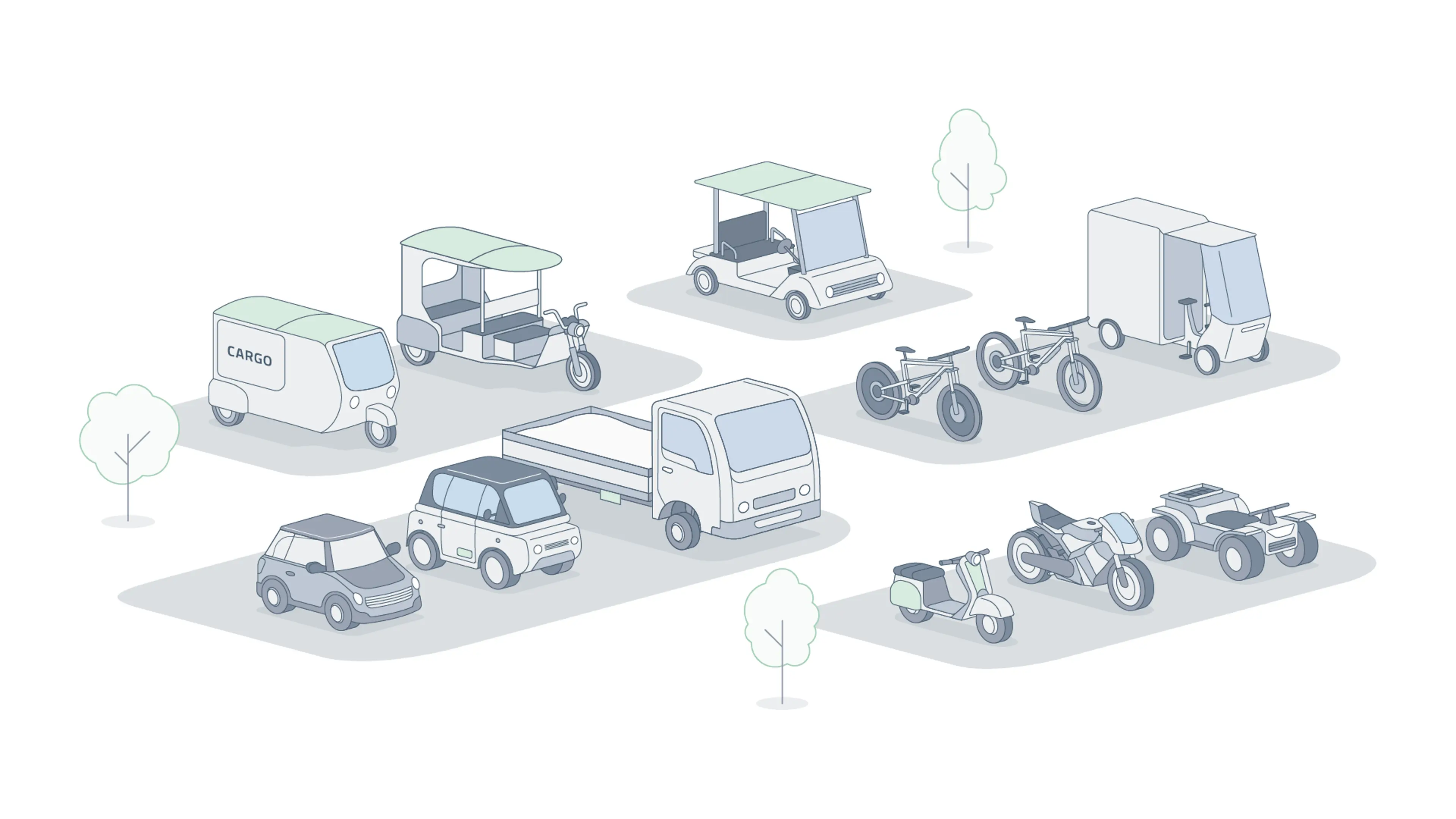
These include electric two-wheelers like scooters and motorcycles, three-wheelers such as e-rickshaws and cargo trikes, and even compact four-wheelers like microcars and quadricycles.
All of them run on low-voltage systems (e.g. 48V or 60V) – making them affordable, efficient, and easier to maintain than their high-voltage EV cousins. Whether it’s last-mile deliveries or navigating dense urban traffic, LEM vehicles are reshaping urban mobility.
Why is LEM
LEM is one of the fastest and most accessible ways to electrify urban transport.
It hits a sweet spot where sustainability meets practicality. Light electric vehicles are cheap to produce, easy to charge, and ideally suited for short commutes, deliveries, and shared mobility.
For millions of people, especially in emerging markets, LEM offers a cleaner alternative to fossil-fueled motorcycles or tuk-tuks – without the high cost or infrastructure demands of full-size EVs.
What types of LEM vehicles are
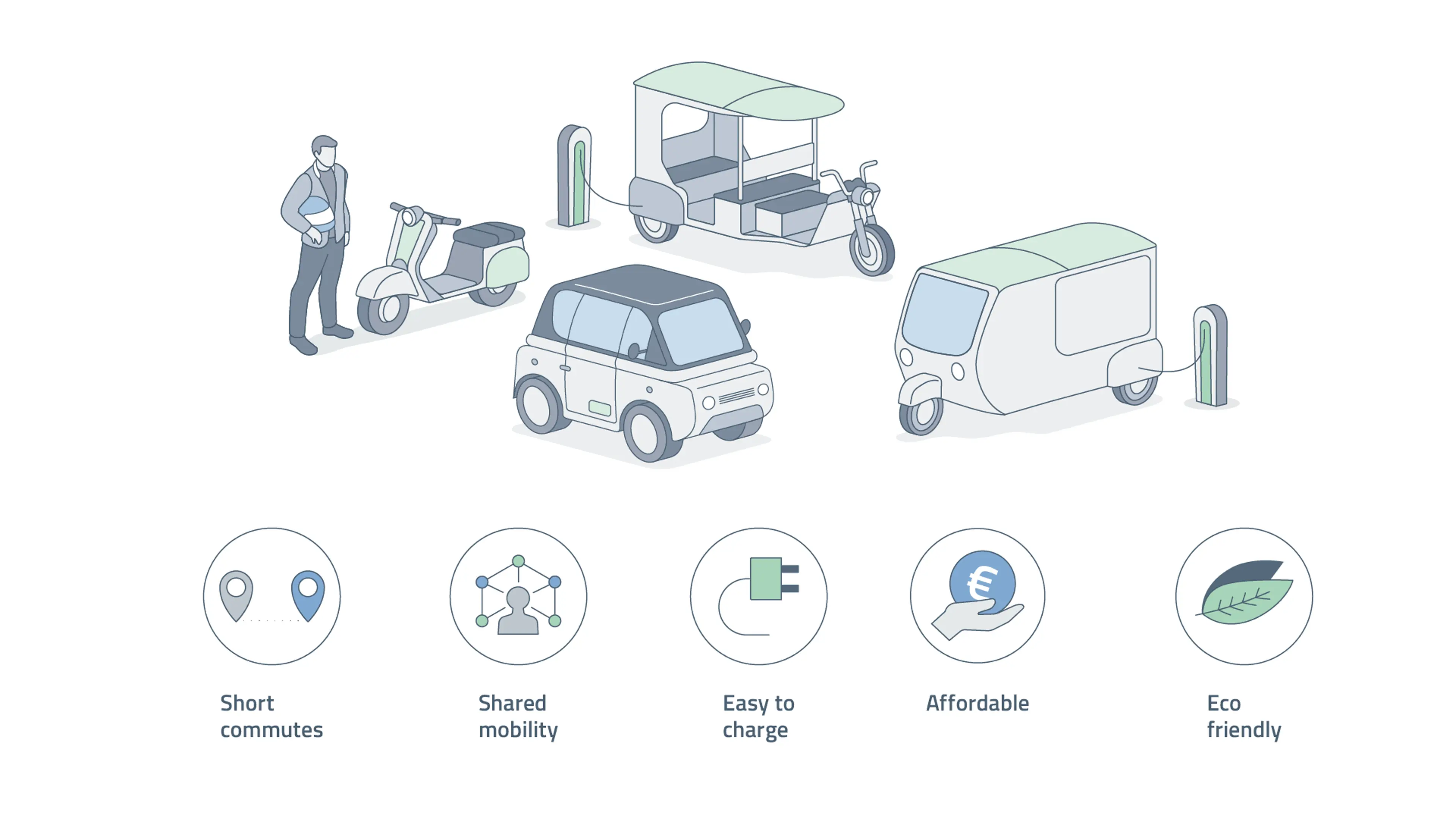
The LEM ecosphere is nothing if not adaptable: The types of vehicles you’ll see on the road depend heavily on regional factors like traffic conditions, climate, and local policies. Here’s an overview of the main categories:
Electric Two-Wheelers
E-scooters and e-motorcycles are the most common LEM vehicles, popular for quick commutes, last-mile delivery, and, yes, even ride-hailing. These vehicles are light, nimble, and cost-effective, ideal for short distances in urban environments.
- Range: 50–100 km
- Top speed: 25–80 km/h
- Markets: Huge in India and China, growing in EU cities with shared mobility schemes.
Microcars & Quadricycles
Microcars are small four-wheeled vehicles designed for urban use. They provide an eco-friendly alternative to traditional cars and are much cheaper to build than high voltage cars, offering a mix of convenience and practicality in tight city spaces.
- Range: 80–150 km
- Top speed: 45–90 km/h
- Markets: Gaining popularity in China, India and Europe in different forms
Electric Three-Wheelers
E-rickshaws, or tuk-tuks, are essential for passenger and cargo transport in many parts of the world. They are cost-efficient, can carry multiple passengers, and play a major role in last-mile delivery, especially in densely populated urban areas.
- Range: 60–120 km
- Top speed: 25–50 km/h
- Markets: Dominant in India, growing interest in Southeast Asia and Africa
Light Commercial Vehicles
Electric cargo trikes and compact vans are designed for urban delivery applications. These vehicles are perfect for the growing demand for sustainable logistics solutions, helping reduce congestion and pollution in cities while carrying parcels and goods.
- Range: 60–150 km
- Top speed: 30–60 km/h
- Markets: Commercial fleets in India and Latin America, pilot projects in Europe.
How is this market developing
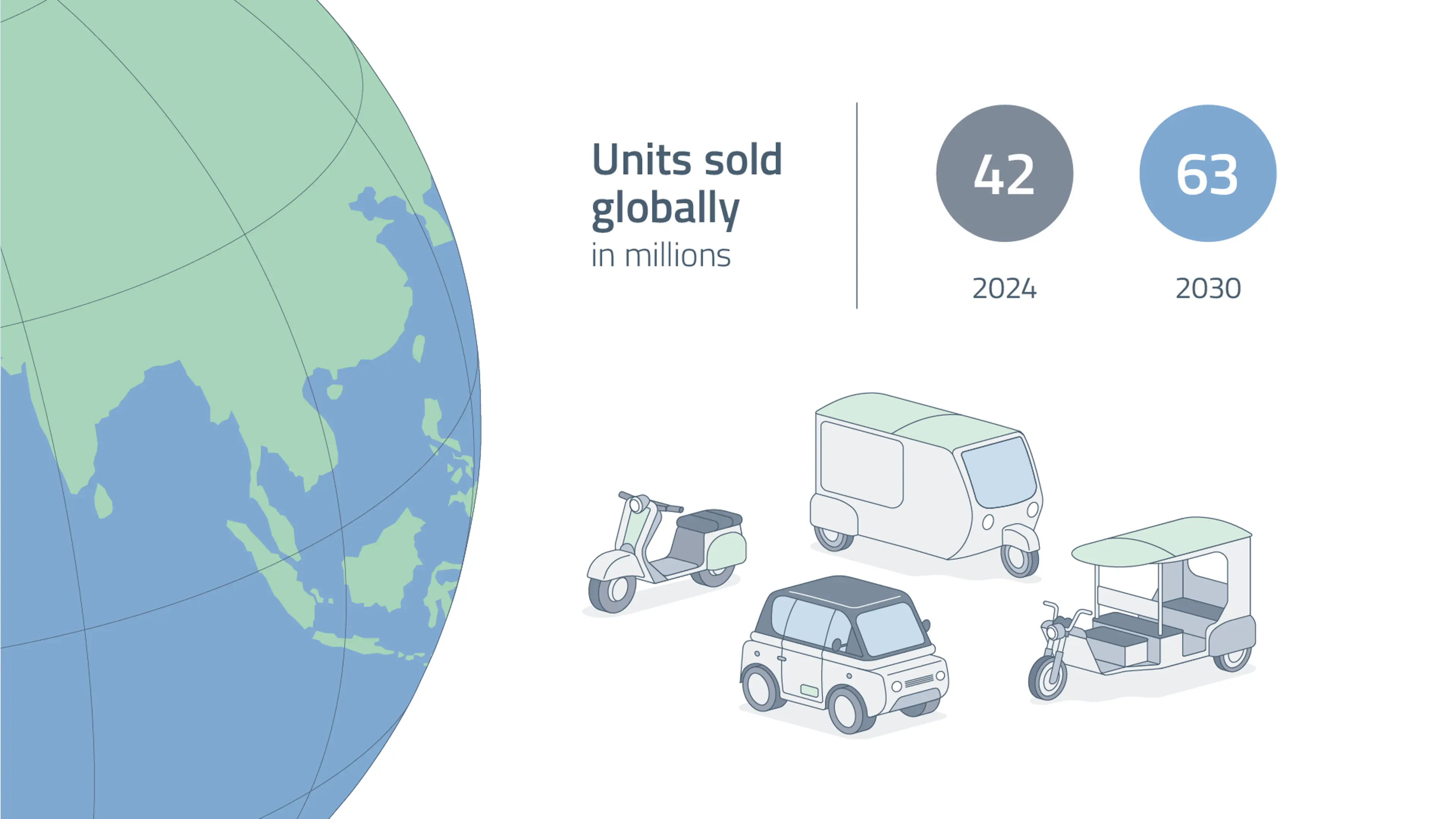
The global Light Electric Mobility (LEM) market is experiencing significant growth, with total units sold reaching approximately 42 million in 2024. This includes electric two-wheelers, e-rickshaws, and small electric vehicles, with the market projected to surpass sales of 63 million units by 2030.
Electric two-wheelers are the dominant vehicle type, driven by rising fuel costs and increasing urban demand for sustainable transportation. As infrastructure improves and adoption accelerates, LEM is set to become a key component of global mobility solutions.
How is the LEM market developing in different
- China is the world’s largest market for light electric vehicles, with over 200 million electric two-wheelers in use and annual sales far exceeding any other country. Cities are deeply integrated with electric scooters, delivery bikes, and low-speed vehicles. Growth continues in rural areas and logistics sectors, even as urban markets mature. The LEM market here benefits from favorable policy, strong domestic supply chains and extensive charging and battery-swapping networks.
- India, while still smaller in total numbers, is the fastest-growing LEM market, with new sales rising from around 400,000 units in 2018 to approximately 2.5 million in 2024. With projections of over 6 million units sold in 2030, LEM is becoming the backbone of India’s electrification journey. The strongest contributors are electric two-wheelers and e-rickshaws, supported by government schemes like FAME II, rising fuel costs, and urban air quality concerns.
- Europe’s LEM market is smaller in volume but growing quickly, driven by city logistics, shared mobility programs, and bans on ICE vehicles in urban cores. In 2023, the region saw over 1 million new electric two-wheelers and mopeds registered, with countries like France, the Netherlands, and Germany leading the trend. Growth is especially visible in last-mile delivery and rental services.
- The US market for light electric vehicles remains relatively small but is gaining traction, especially in urban logistics and commercial fleets. While electric two-wheeler adoption is still limited compared to Asia, interest is rising in last-mile delivery and shared mobility solutions. Regulatory hurdles and limited infrastructure continue to slow wider uptake, but growing environmental awareness and pilot programs are starting to lay the groundwork for expansion.
- In Emerging Markets, from Kenya to Indonesia, LEM is gaining momentum as an affordable alternative to petrol-powered motorcycles. In Southeast Asia alone, the market for electric two-wheelers is projected to grow at a CAGR (compound annual growth rate) of over 20% from 2024 to 2030. Local assembly initiatives, ride-hailing electrification, and battery-swapping business models (notably in Indonesia and Rwanda) are accelerating adoption. In Africa, while absolute numbers are still low, the shift is being driven by high fuel prices and entrepreneurial use cases like delivery services.
How much does Light Electric Mobility contribute to climate
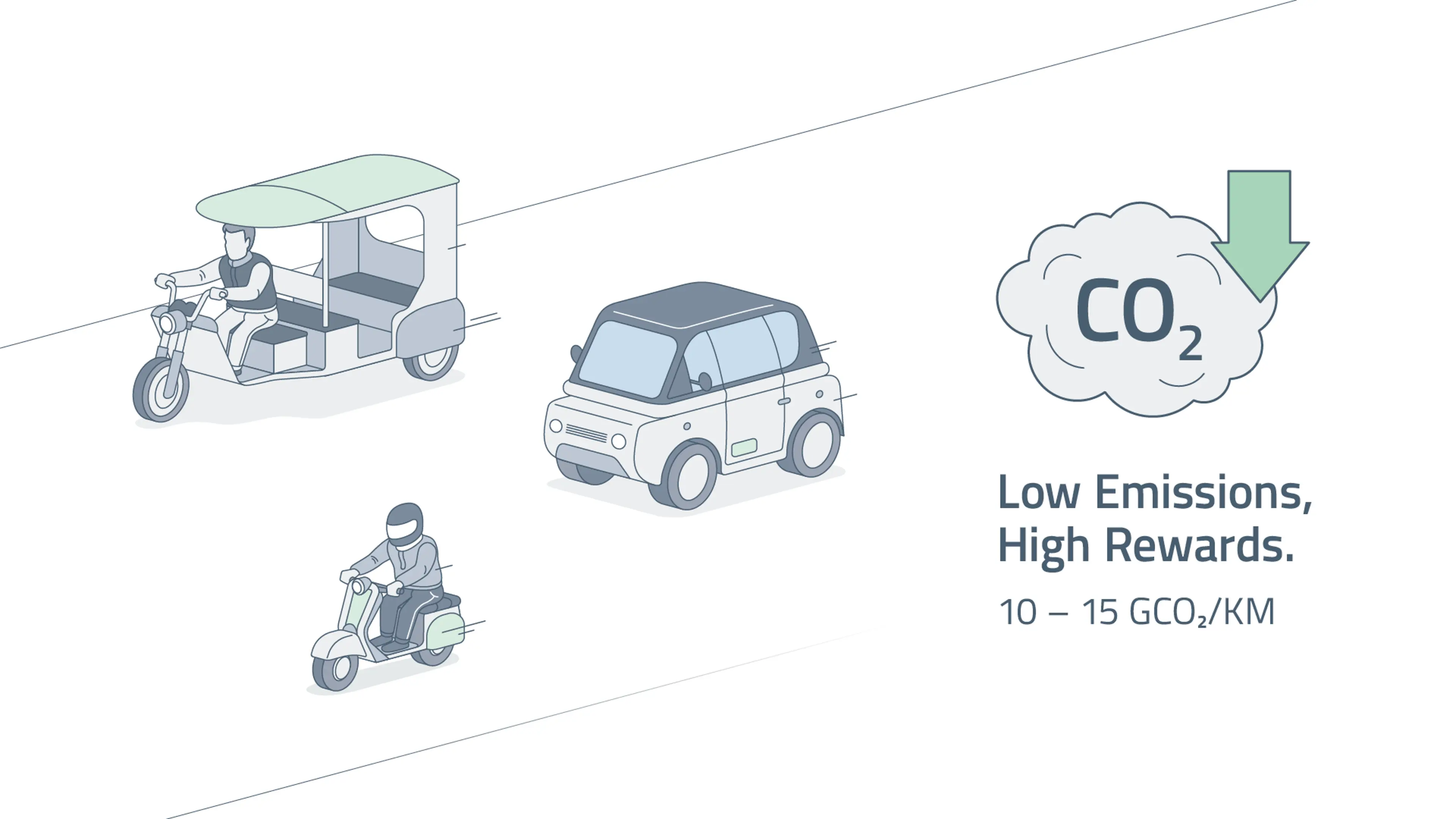
Replacing an internal combustion engine with an e-drive can reduce the lifetime CO₂ emissions of a vehicle by up to 85%. This saves, for example, 2 to 3 tonnes of CO₂ per year for each electrified rickshaw in India, even with its still relatively coal heavy energy mix. And it's not just about carbon emissions – LEM helps reduce urban pollution, making cities healthier, quieter, and much more enjoyable to live in.
Considering the estimated global fleet of already over 40 million LEM vehicles, the annual CO₂ savings compared to fuel-powered vehicles are around 100 million tons – which roughly equals the total annual emissions from the transport sector in countries like France, Italy, or the UK.
Where can you charge LEM vehicles, and how long does
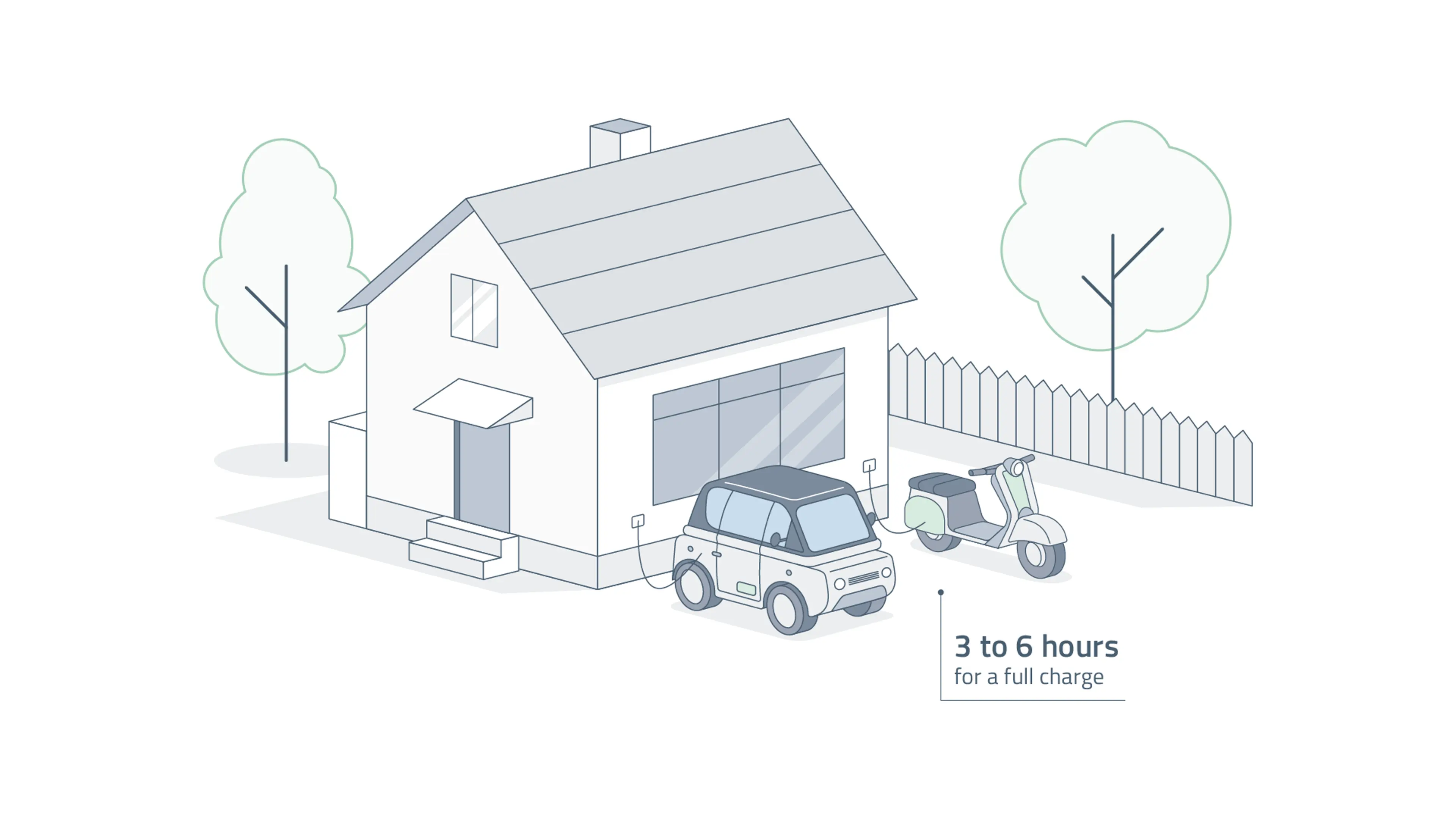
LEM vehicles don’t need complex charging infrastructure. Most two- and three-wheelers can be charged from a standard wall socket – especially when they use removable battery packs. That’s a major advantage in areas without widespread EV charging networks.
Charging time generally varies based on the battery size and charger type. For most LEM vehicles, you're looking at around 3 to 6 hours for a full charge using a regular outlet. For smaller scooters with ~1kWh batteries, the charging time is even faster. If the vehicle uses a swappable battery, you’re looking at under 2 minutes to swap and get back on the road – perfect for commercial use!
How much do LEM vehicles cost compared to traditional
LEM vehicles tend to have a higher upfront cost than their ICE counterparts, but the running costs are significantly lower – making the total cost of ownership (TCO) much more attractive.
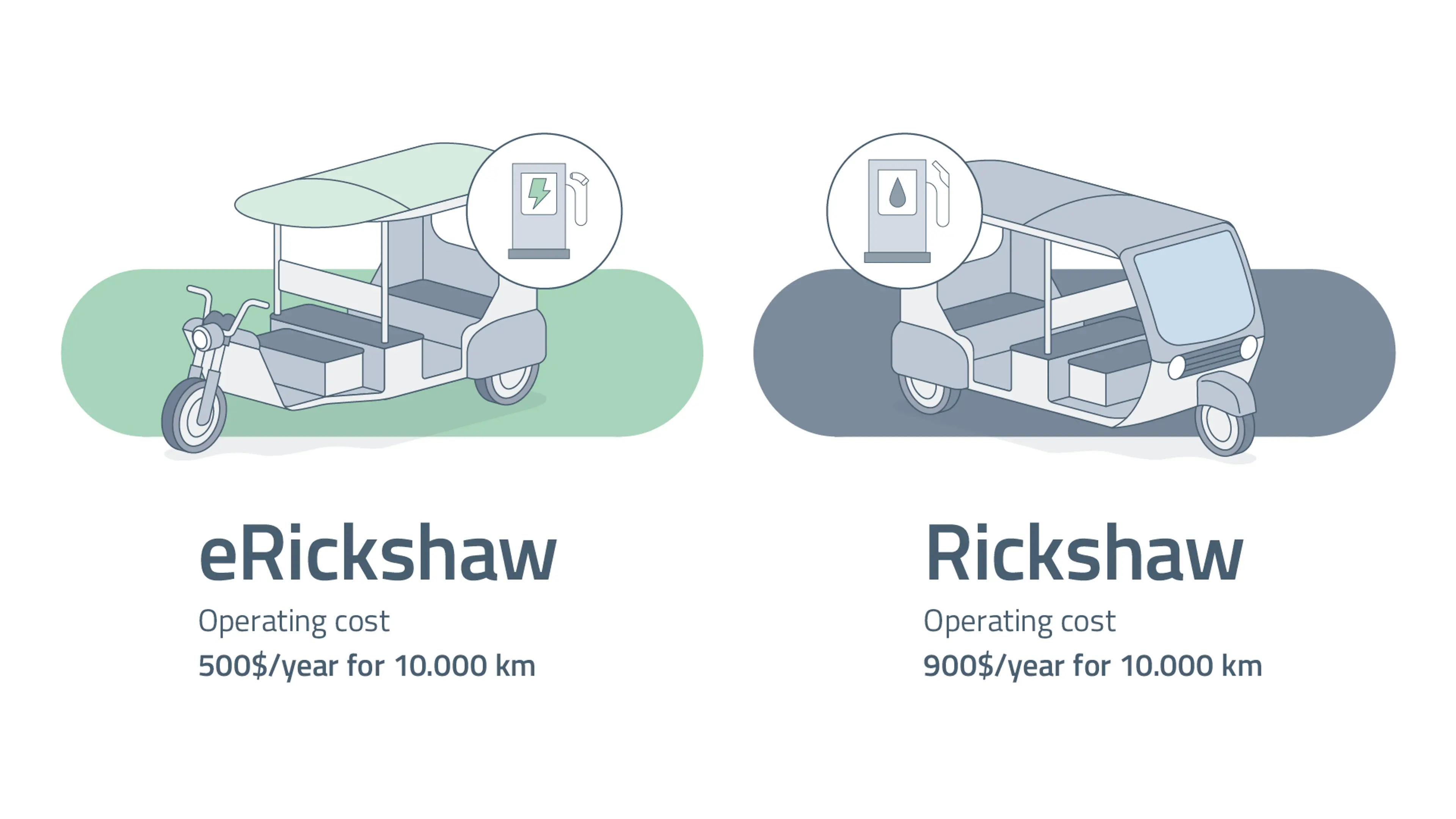
For example, operating and maintaining an e-rickshaw in India for 10,000 km per year typically costs less than $500, including electricity and basic maintenance. In contrast, a traditional fuel-powered rickshaw costs around $900 per year, mainly due to fuel and higher service needs.
That quickly makes up for the initial price difference of $500–800, with savings adding up every year after that.
What kind of batteries are used in LEM vehicles, and how long do they
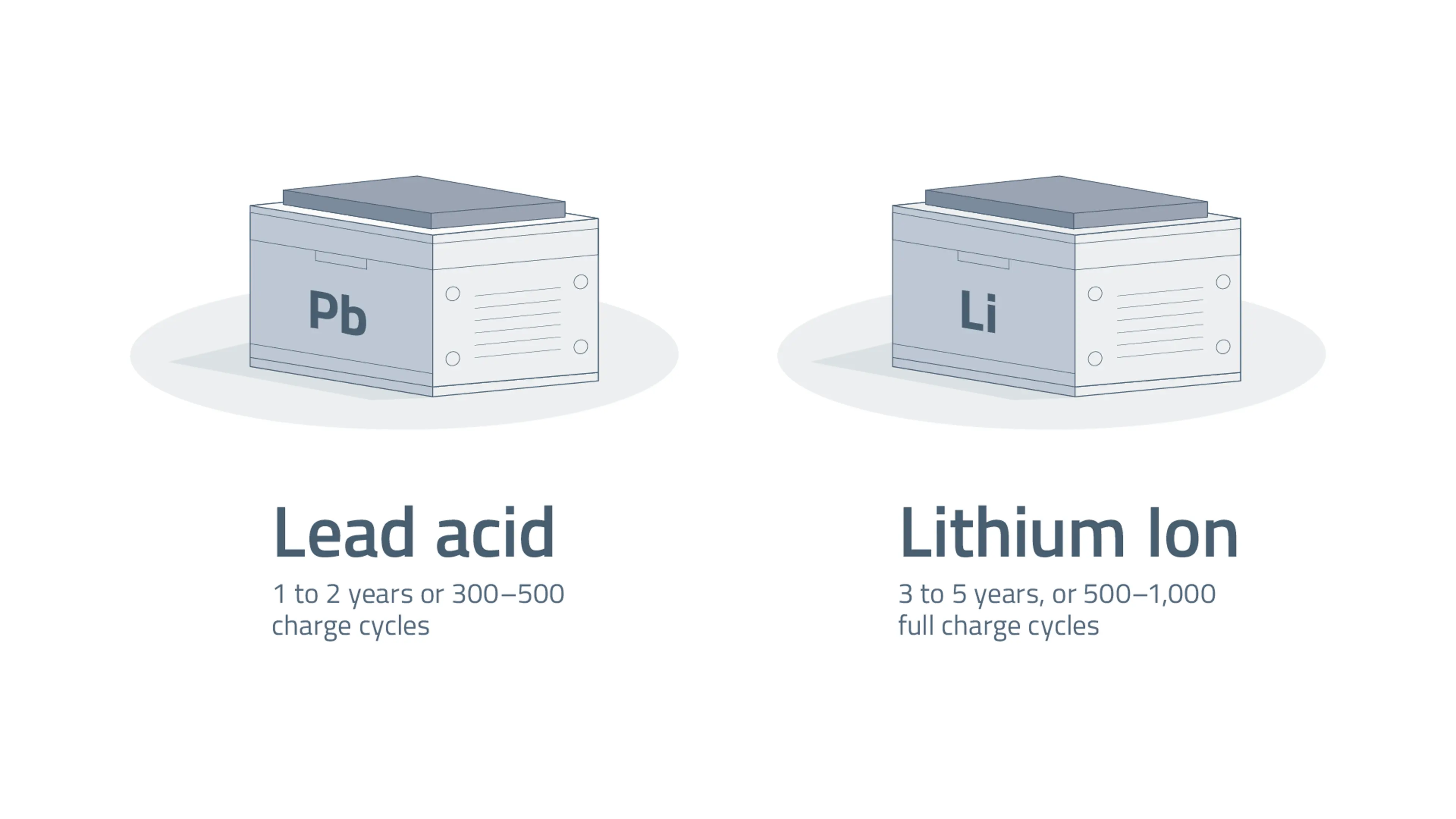
This depends on the market and application. In many developing regions, e-rickshaws still rely heavily on lead-acid batteries because of their low cost, even though they typically only last 1 to 2 years or 300–500 charge cycles.
That’s why lithium-ion batteries are increasingly being used – especially in premium two-wheelers and next-generation e-rickshaws. They usually last 3 to 5 years, or 500–1,000 full charge cycles, and offer better energy density, lower weight, and less maintenance. Some systems also support battery swapping or modular replacements, making upgrades easier.
Smart battery management systems (BMS) are playing a key role in monitoring health, extending lifespan, and ensuring safe, efficient performance over time.
How safe are LEM
When it comes to safety, the biggest risks on the road are shared by all vehicles – whether electric or combustion-powered. Accidents are typically caused by traffic conditions, visibility, and rider behavior, not by the propulsion system itself. What matters more is the type and size of the vehicle, not the drive system.
Scooters, e-rickshaws, and other LEM vehicles naturally operate at lower speeds, which helps reduce the severity of accidents. In addition, the low-voltage nature of LEM vehicles makes them inherently safer to handle and maintain compared to fuel-powered engines and high voltage vehicles. On the flip side, their compact size offers little to no physical protection in the event of a collision.
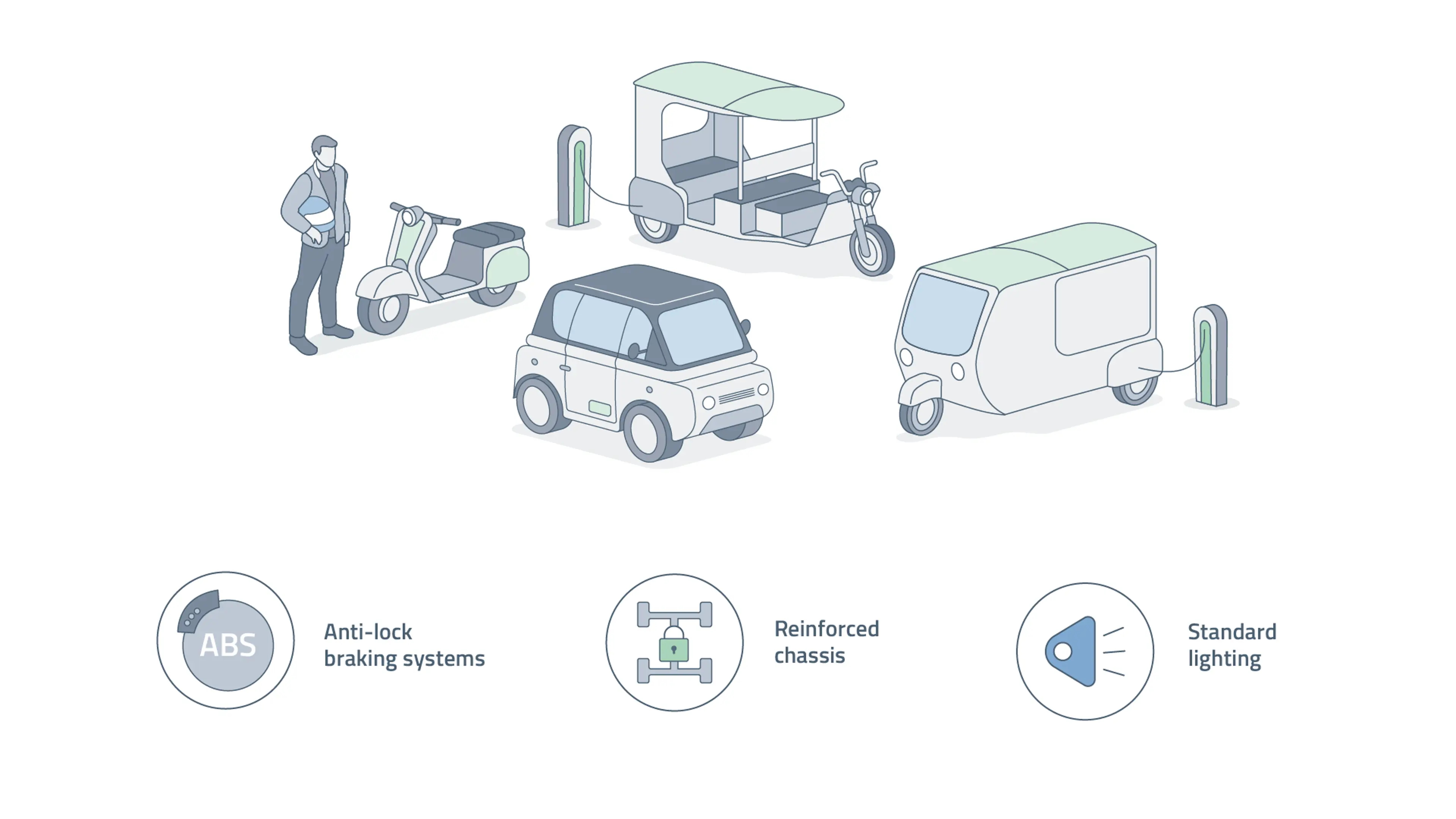
Many vehicles are therefore also improving on the basics, with anti-lock braking systems, reinforced chassis, and standard lighting becoming more common. Still, safety standards vary widely between regions. As the LEM sector grows, clearer and more consistent regulations will help raise the bar for vehicle safety across the board.
How are incentives, subsidies and regulations driving
Governments worldwide are implementing a variety of policy measures to boost the adoption of Light Electric Mobility:
In India, FAME II and state-level subsidies support e-rickshaws and electric scooters, alongside tax exemptions and mandates for fleet electrification.China has introduced city-level bans on ICE two-wheelers and provides strong support for LEM manufacturing.In Europe, urban mobility grants and tax incentives help fleet operators make the switch to electric.
These policies, combined with rising fuel costs and the urgency to reduce emissions, are making LEM increasingly attractive in both public and private transportation sectors. Additionally, regulations define performance standards, safety requirements, and eligibility for licensing, further shaping market dynamics.
What makes LEM attractive for
LEM vehicles offer a range of benefits that make them especially appealing for daily use, particularly in urban environments and emerging markets:
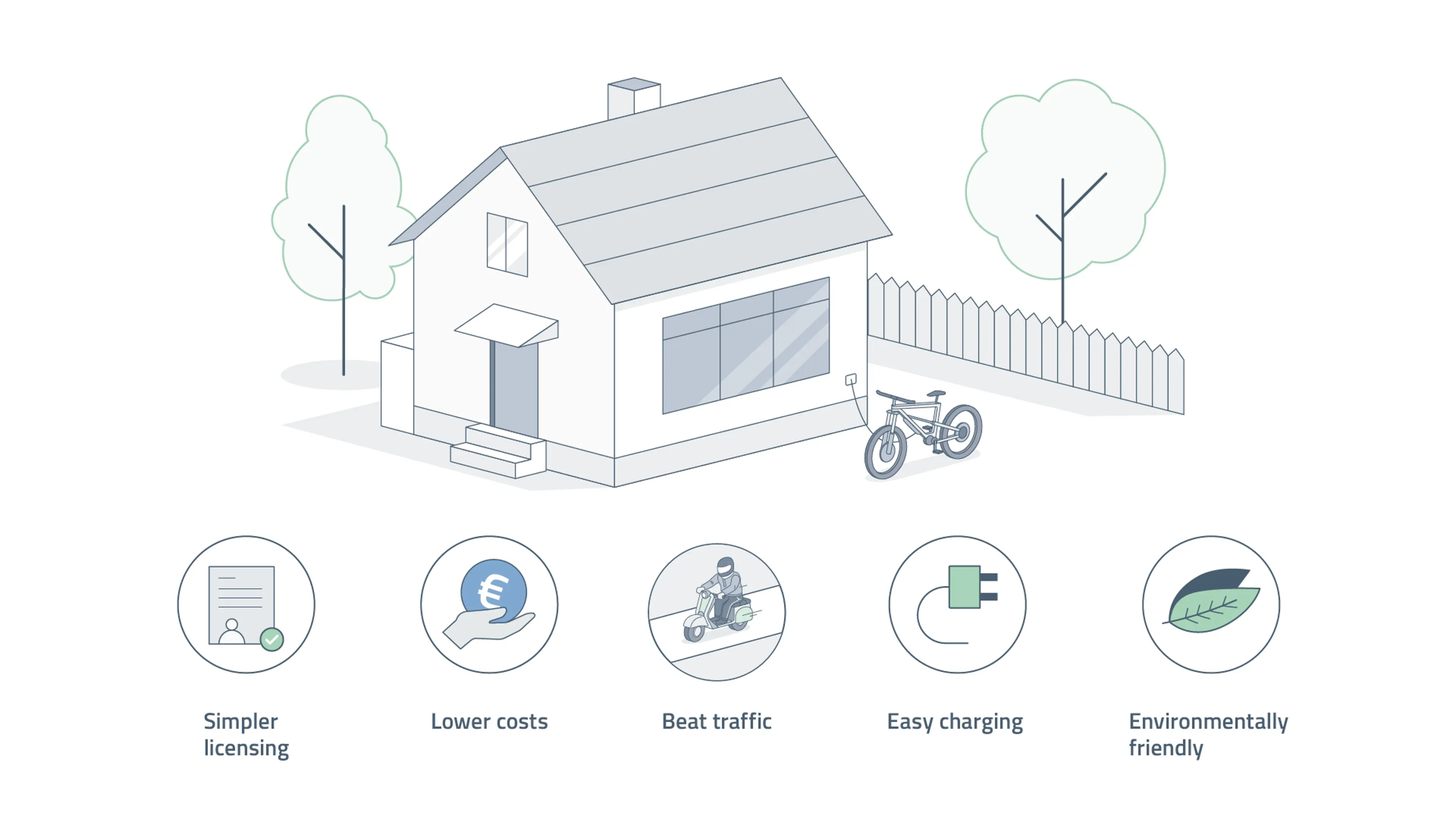
- Lower operating costs: With electricity being far cheaper than gasoline or diesel, LEM vehicles can cost up to 1/10th the price per kilometer compared to their combustion-engine counterparts.
- Easy charging: Being easily ‘refueled’ at any standard wall plug, LEM vehicles eliminate the need for specialized refueling infrastructure, be it public chargers or gas stations.
- Simpler licensing: Many LEM vehicles, depending on their power and speed, don’t require a special driver’s license or vehicle permit.
- Beat traffic: LEM vehicles, especially e-scooters and e-rickshaws, can maneuver through traffic more easily, helping riders save time and reduce commuting stress.
- Environmentally friendly: Compared to ICE vehicles, LEM reduces emissions and urban pollution, making these vehicles more sustainable choices in cities grappling with air quality issues.
This combination of factors results in LEM vehicles being a practical, affordable, and efficient alternative to both traditional cars and combustion-powered two- and three-wheelers – especially in regions with dense traffic, pollution, and limited infrastructure.
Success in the LEM space requires a combination of factors from the manufacturers:
- Smart integration of low-voltage powertrains to ensure safety and efficiency.
- Lightweight, cost-effective design that balances durability and affordability.
- High energy efficiency to ensure longer range per charge and reduce operational costs.
- Reliable battery systems with good thermal safety to prevent failure and increase longevity.
- Compliance with evolving regulations to meet both safety and environmental standards.
- Adaptability to regional needs, from weather and road conditions to specific user behavior patterns.
- Differentiation in a competitive landscape, such as incorporating smart features, sustainability, and customization options.
OEMs must also have strong supply chains, fast development cycles, and partners who can provide both automotive-grade quality and affordability.
Manufacturers need to move quickly, and suppliers must keep pace, offering quality, scalability, and speed to support the growing LEM market. This includes delivering not just parts, but critical systems expertise on topics like:
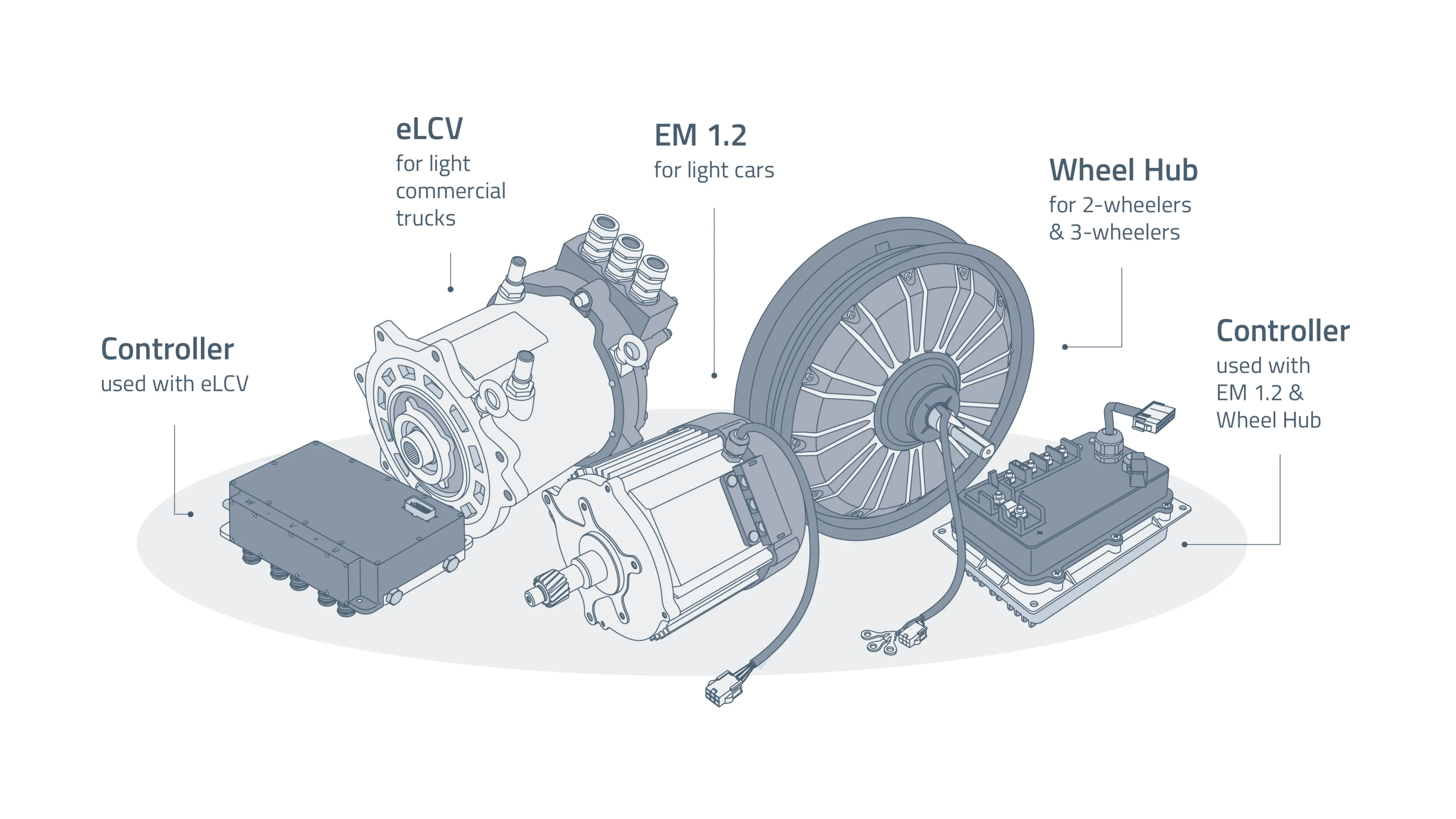
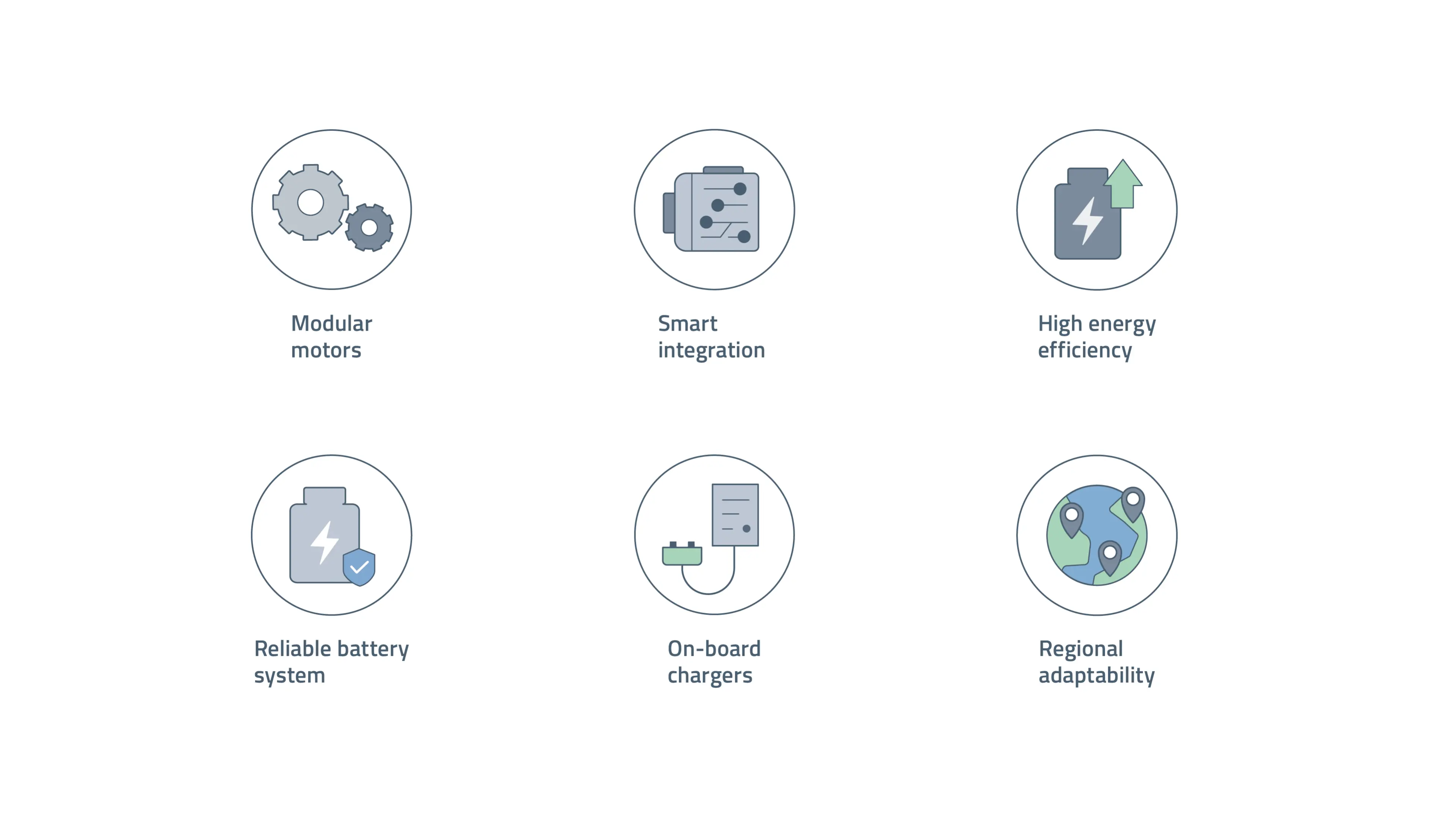
- Integrated low-voltage e-drives specifically designed for two- and three-wheelers.
- Modular motor platforms that enable fast adaptation to new model variants.
- Battery pack solutions with built-in battery management systems (BMS) for reliable performance.
- On-board chargers and controllers that simplify the assembly process.
- Support for regional homologation and rapid customization to meet local market demands.
The future of LEM will be defined by modular and scalable system solutions of motors, controllers, and batteries into compact, low-voltage powertrains. This integration of components simplifies manufacturing and enables fast adaptation across vehicle types and markets. Battery technology is advancing with lighter, swappable packs and smarter management systems.
At the same time, connectivity is increasing through features like GPS, telematics, and fleet management tools – making LEM vehicles easier to deploy, monitor, and scale.
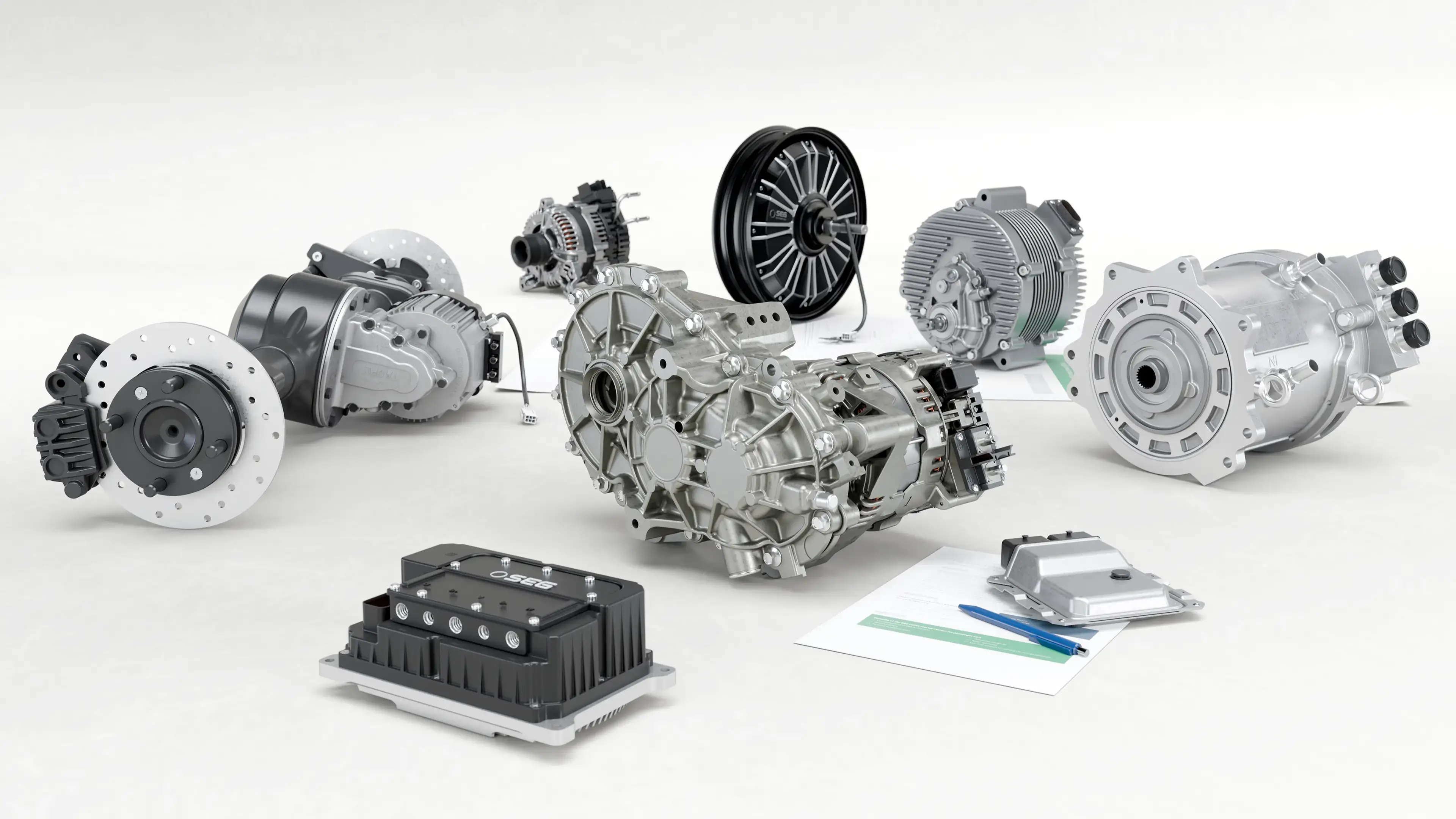
SEG Automotive brings decades of experience in compact, energy-efficient motor technology to the dynamic world of Light Electric Mobility. Our scalable low-voltage e-drives are designed for performance, affordability, and long-term durability – ideal for e-scooters, electric rickshaws, microcars, and beyond. In a space where speed and adaptability are critical, we stand out as a reliable partner, helping OEMs bring new concepts to market quickly without compromising on quality.
Backed by a global footprint and guided by our vision for sustainable mobility, we drive innovation not only in LEM, but across the full spectrum of clean transportation. #WeAreTheMotor.