
Start/stop technology: better than its reputation.
Start/stop starters save up to 8 percent fuel under real world conditions, 48V starter generators even up to 15 percent – and a corresponding amount of CO2. Nevertheless, prejudices against the technology persist. We explain how it works and dispel the most persistent myths.
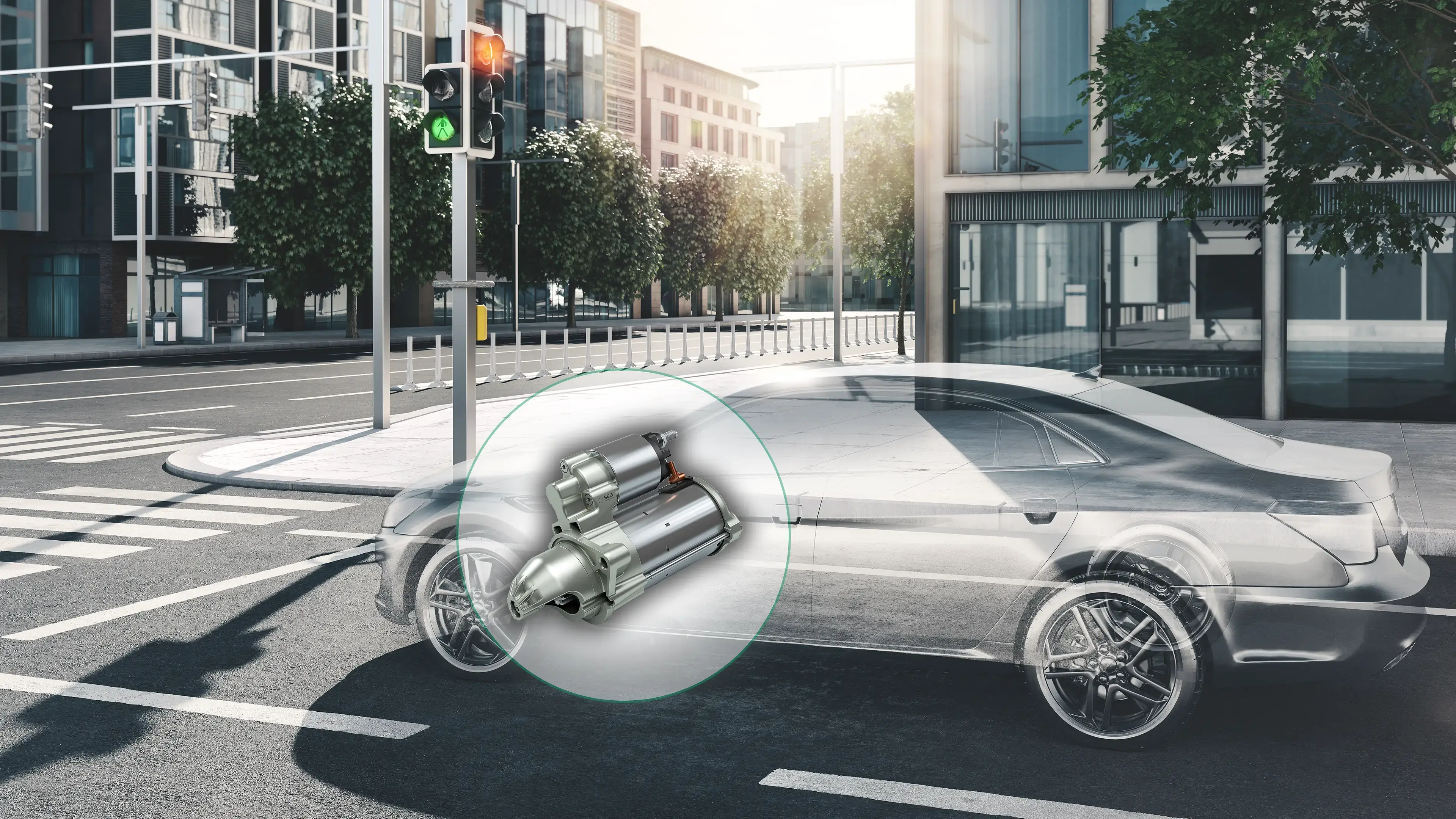
Start/stop starters save up to 8 percent fuel and CO2 in real-world conditions – especially in city driving.
How does a vehicle's start/stop system work?
Since SEG Automotive launched Start/Stopp in series production in 2007, its mechanism has remained almost unchanged: The engine switches off when the vehicle is stationary or even when the residual speed falls below a defined value (usually between 4 and 8 km/h, depending on the manufacturer).
In the case of a manual transmission, the selector lever must be idle, or the clutch must be operated and the brake pedal pressed. The restart takes place when either the brake pedal is relieved or, in some cases, the clutch pedal is also depressed. In the case of an automatic transmission, the appropriate deceleration is sufficient to switch off and the relief of the brake or the accelerator to restart. Some vehicle models today use their Distance Assist to detect when the vehicle in front starts to move and start the engine automatically. All electrical systems continue to work during the stop phases – unlike when the engine is switched off.
For situations such as stop-and-go on the highway, for example, there is a button in Germany that switches off the start/stop system (often referred to as "auto off"). This can be different in other markets, such as the USA, where a shutdown – even temporarily – is not allowed and not possible.
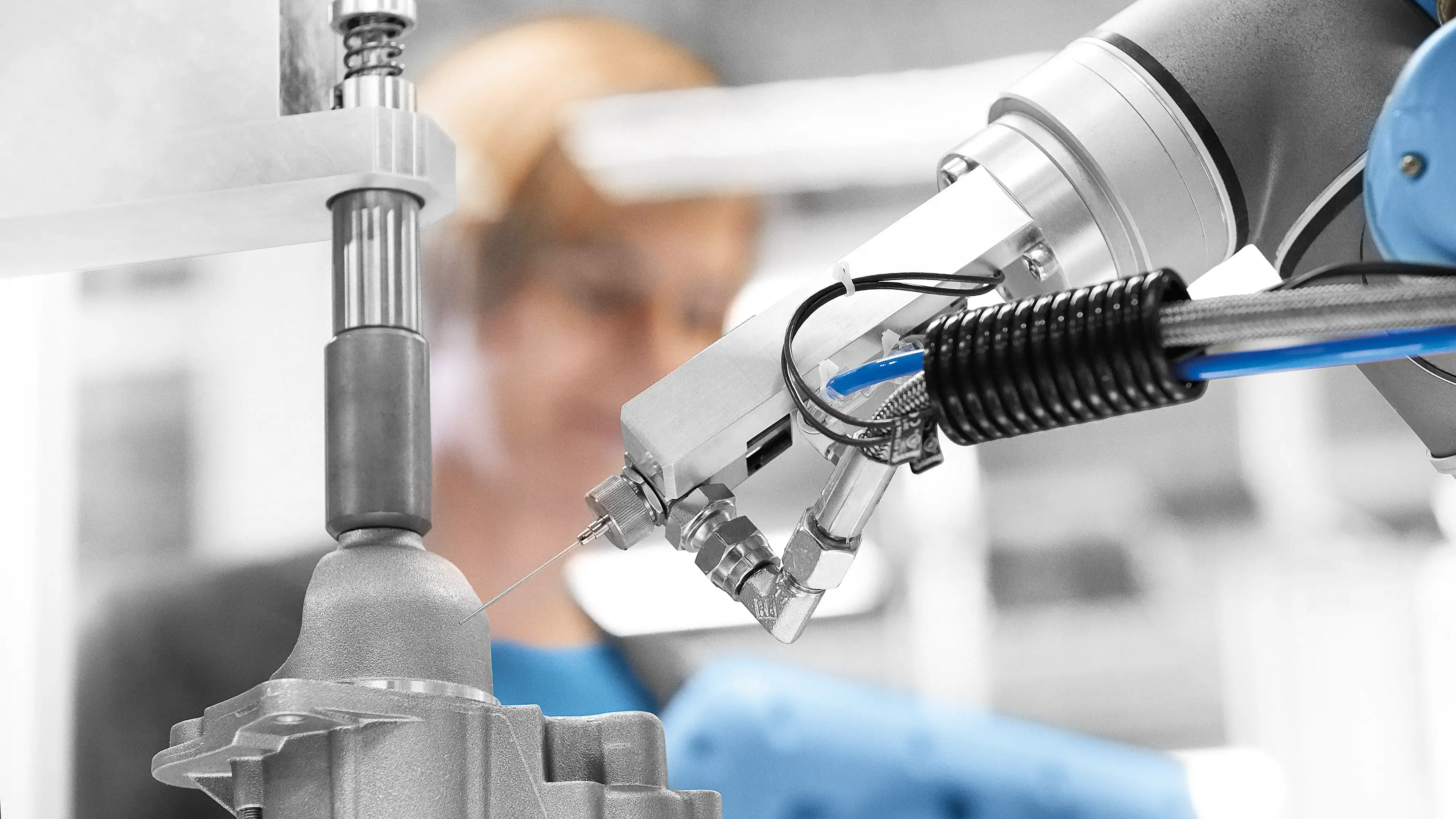
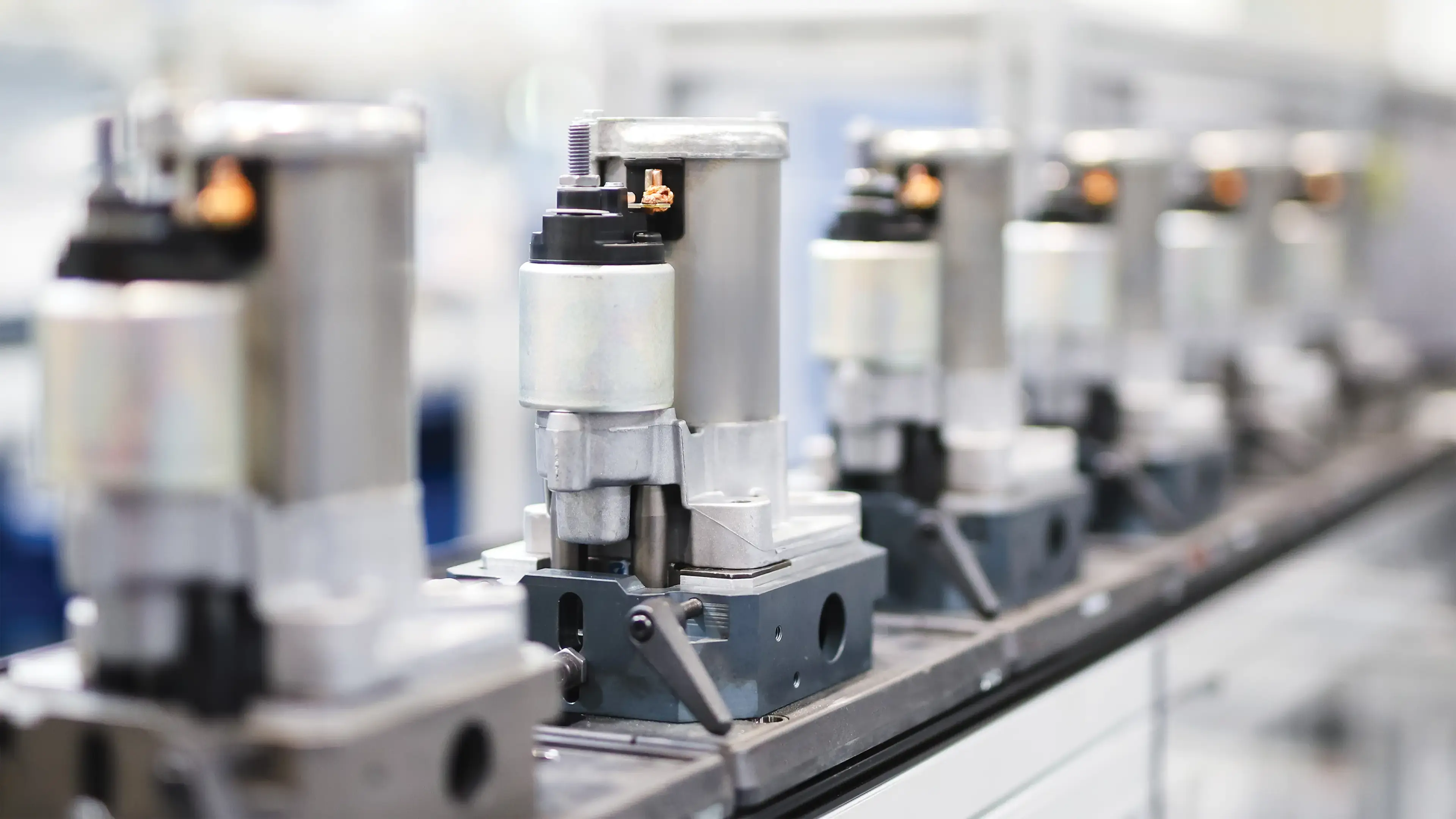
Common start/stop myths – and their truth.
"Start/stop wears out the starter."
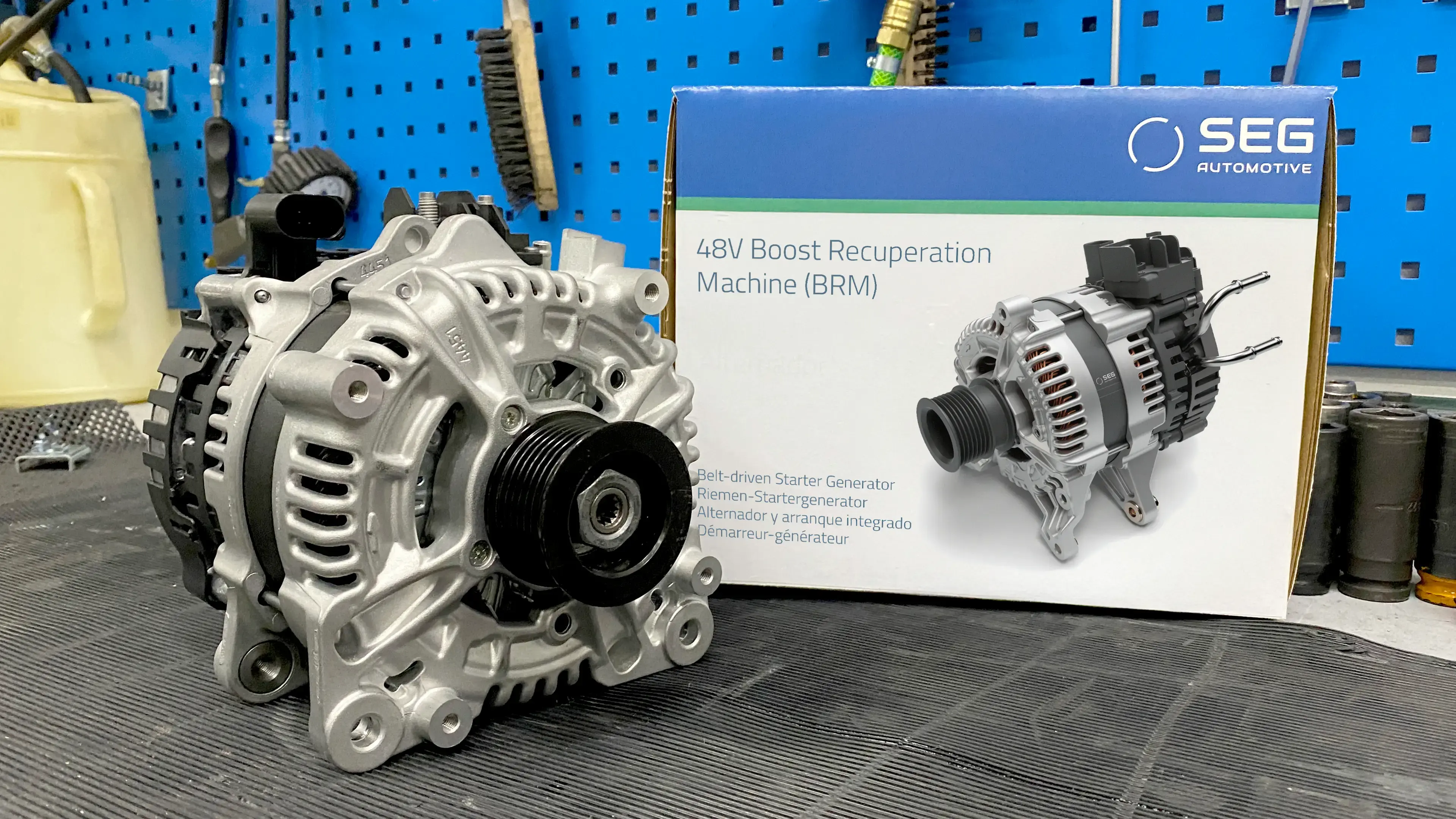
Fact: Modern start/stop vehicles have special starters with greatly increased cycle stability, up to five times higher than traditional starters. Furthermore, there are also combined starter generator systems today (such as the
48V Boost-Recuperation Machine from SEG Automotive), which combine the higher load capacity with a particularly smooth start, among other things. Both systems can withstand the additional starting cycles without any problems.
"The constant start/stop cycles damage the battery."
Fact: Start/stop vehicles use
EFB or AGM batteries, which are specifically designed for frequent charge/discharge cycles, making them perfect for use.
"Start/stop is bad for the engine because the oil pressure drops."
Fact: Modern engines are designed in such a way that oil pressure and lubrication are built up quickly enough for start/stop operation. The start/stop system is only activated if the engine and oil temperature are suitable. At this moment, the engine is warm and well-lubricated – there is no harmful wear.
"The system often doesn't work – so it's unreliable or broken."
Fact: Start/Stop is linked to many safety and system conditions. Depending on the car model and vehicle manufacturer, there are various factors that can prevent start/stop activation, such as:
- The battery does not reach the required minimum voltage.
- Cold: Frosty temperatures stress the battery in winter, which is why the automatic start/stop system stops working in extreme cold. The lower temperature limit varies from manufacturer to manufacturer, usually in the range of plus three to minus five degrees.
- Intensive use of heating (including window and seat heating) can also be responsible for the shutdown, at least temporarily.
- Heat: With high, energy-intensive air conditioning use
- Engine is not yet at operating temperature.
- Vehicle stands on an incline or descent.
- Indications of parking instead of stopping situation: driver's seat belt loosened, doors or bonnet opened, steering wheel turned heavily
- Parking Assist activated
- Trailer operation
- For diesel vehicles: regeneration of diesel particulate filter (DPF) active. If the filter is clogged with particles, it needs the engine in continuous power without interruption to burn free. Start/Stop then works again. Often comes to the workshop as a "fault" but is part of system protection.
"Frequent starting causes more wear than idling."
Fact: Modern start/stop systems have been developed to prevent wear at idle.
Idle Time generates
- Heat
- Unnecessary combustion
- Carbon dioxide
Start/stop reduces this – which is why the technology is even positive from a service life point of view.
"Start/stop is harmful on short-distance journeys."
Fact: For very short distances, start/stop is automatically deactivated because
- Engine not yet warm
- Battery not sufficiently charged
- Oil not at temperature
This protects the battery and motor.
"At the moment of take-off, a particularly large amount of exhaust gases is generated. This more than compensates for the effect of start/stop."
Fact: The cold start is the most emission intensive. Since the catalytic converter and engine are still cold, there are greatly increased emissions. A start/stop start only takes place when it is at operating temperature, where exhaust gases are significantly reduced compared to idling. The start/stop exhaust gas balance remains clearly positive.
"The system is uncomfortable and hardly does anything."
Fact: Modern start/stop systems and especially 48V starter generators start hardly noticeably and virtually instantaneously. Start/stop starters save up to 8% fuel under real world conditions and 48V starter generators such as the BRM from SEG Automotive even up to 15% – which also reduces CO₂ emissions accordingly. But even if the value can be lower depending on the route travelled, every minute without idling saves money – and benefits the environment.
The German Automobile Club ADAC warns against permanent deactivation.
Hardware dongles for the diagnostic socket or apps that permanently switch off start/stop can be found on the market. But be careful: Permanent deactivation can lead to the expiry of the operating license, as it worsens the exhaust gas behavior. This is considered an inadmissible technical change and can lead to complaints at the next technical inspection, according to the ADAC.
What to do in case of malfunctions in normal operation?
Since the start/stop function is highly dependent on electronics, malfunctions should be checked in an appropriately equipped workshop. They will usually perform the following tests:
Battery test (capacity, internal resistance, quiescent voltage). If the starter battery is not only discharged, but defective, it may only be exchanged for one approved by the manufacturer. The reason for this is that the battery sensor must know the data of the starter battery used to be able to correctly determine its state of charge even as it ages.
Charging voltage/generator check whether its power is still sufficient
Reading sensor values:
- Brake pressure sensor
- Clutch sensor
- Temperature sensor
Check software versions and update them if necessary
Check components:
- Relays
- Ground points
- Starter Cables
- Belts (for starter generators)
Conclusion.
Start/stop brings clear ecological and economic benefits, while modern components can cope with the increased loads. Disadvantages only arise from impermissible manipulation – not from the technology itself.

Aftermarket Marketing Contact
SEG Automotive
Ullrich E. Schaab
[Opens in a new tab]
ullrich.schaab@seg-automotive.com