
Engineering Performance Without Compromise: How To Minimize Rare Earth Use in E-Machines
Reducing reliance on heavy rare earth elements without sacrificing efficiency or performance is one of the biggest challenges in modern e-machine design. At SEG Automotive, it’s also an area of core expertise.
Torsten Knorr, Senior Manager for Electromagnetic and Thermal Layout and NVH of E-Machines at SEG Automotive, leads a team of specialists in Stuttgart dedicated to developing cost-efficient, high-performance electric machines. Their mission: push the boundaries of e-motor technology while responding to customer needs – and global resource constraints.
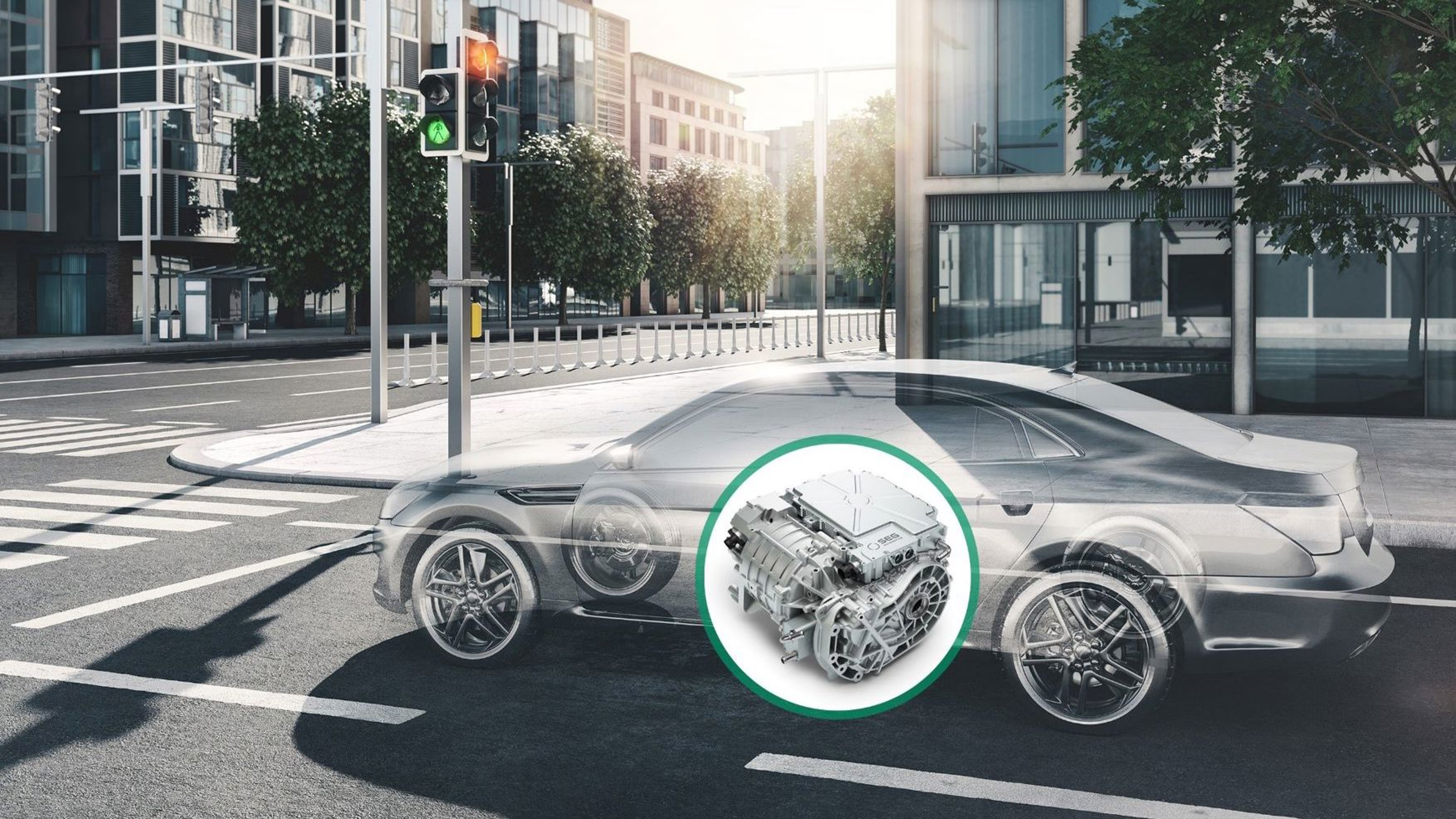
The Rare Earth Dilemma
Permanent magnet synchronous machines are at the heart of efficient electric drives, but their performance often relies on heavy rare earth elements (HREs) like dysprosium (Dy) and terbium (Tb). These materials help magnets maintain their strength at high temperatures – but they’re expensive, environmentally problematic to source, and tied to volatile supply chains."Light rare earth elements like neodymium (Nd) are more common and more stable in supply. So our goal is to design motors that can avoid HREs altogether – without compromising performance," Knorr explains.
Smart Design Instead of Costly Materials
SEG Automotive’s approach relies on a combination of innovative mechanical design and advanced simulation capabilities:
1.Thermal Management
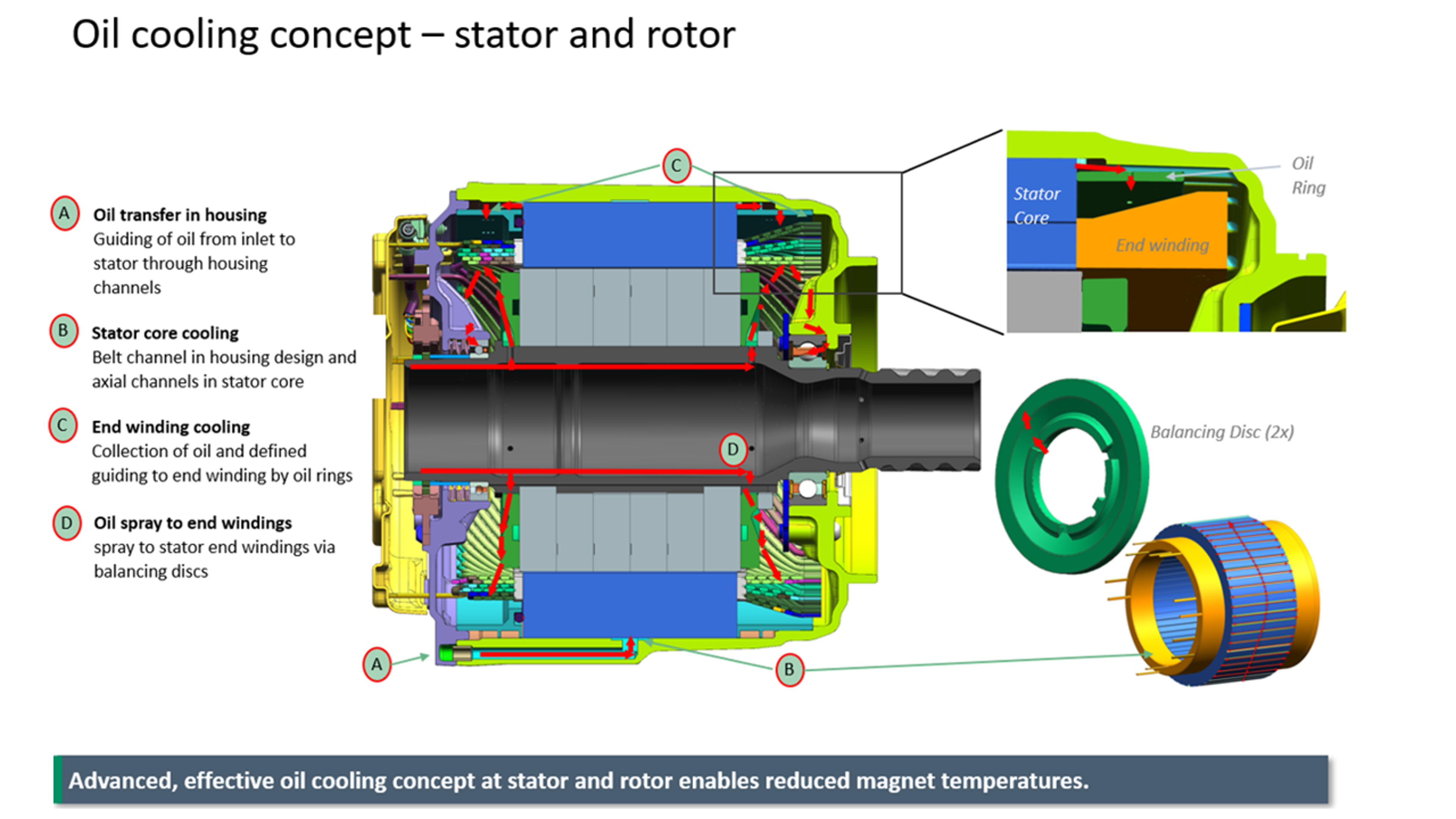
Efficient oil cooling systems for both rotor and stator – including oil-guided hollow shafts – allow the magnets to stay below critical temperature thresholds (e.g., <120°C), enabling the use of magnet grades that don’t require HRE additives.
2. Failure-Mode Robustness
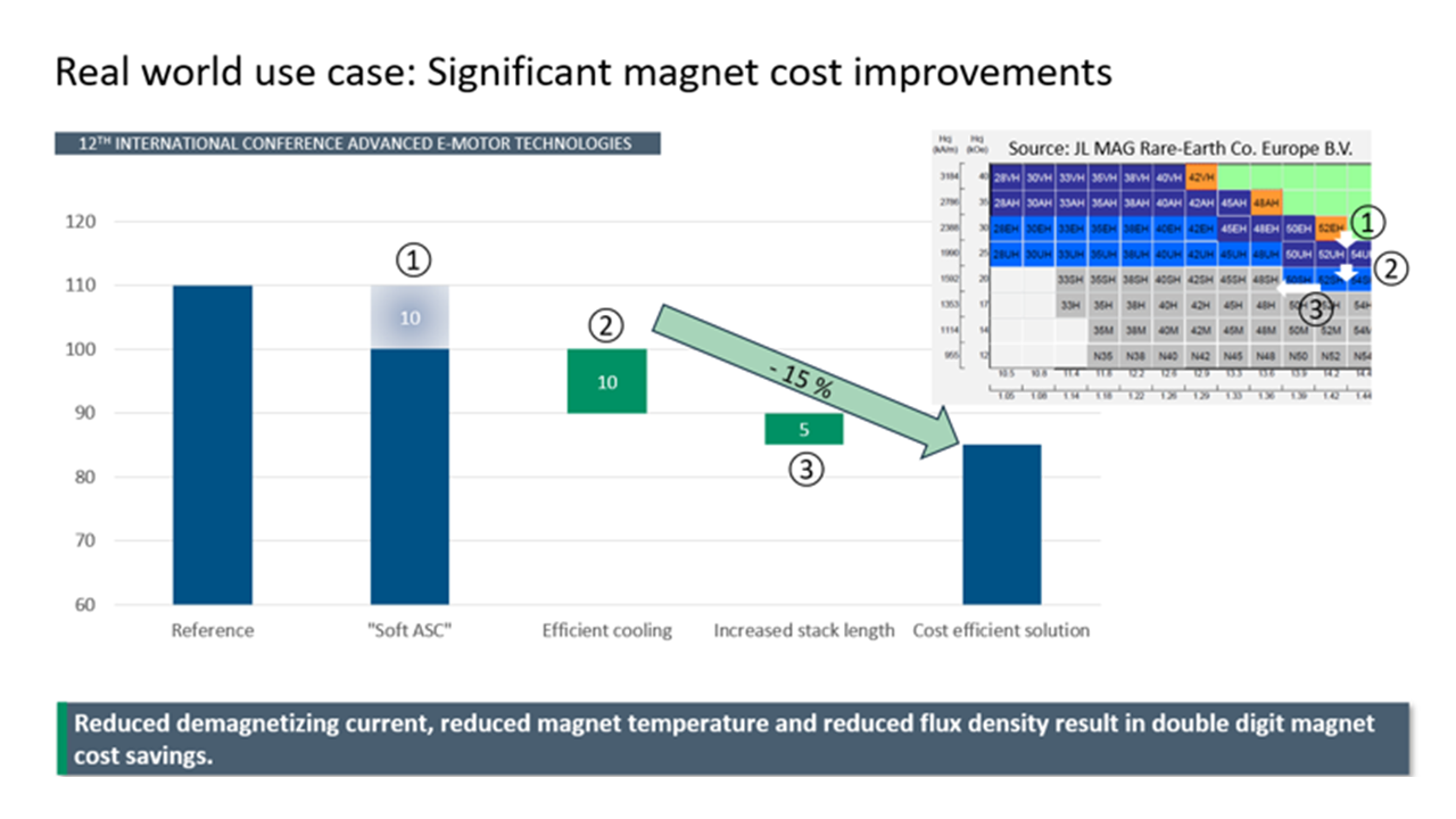
By reducing the demagnetizing currents that would occur during failure scenarios, the team minimizes the risk of permanent damage to the magnets – even without HRE reinforcement.
3.Flux Optimization
Lowering the required magnetic flux density and offsetting this with increased machine length (where installation space allows) helps maintain torque output with more accessible materials.
All of this is achieved through precise simulation workflows powered by SEG Automotive’s in-house high-performance computing cluster – ensuring results that are both fast and reliable.
Validation from extensive prototype testing helps refine the models further.
Simulation-Driven Innovation
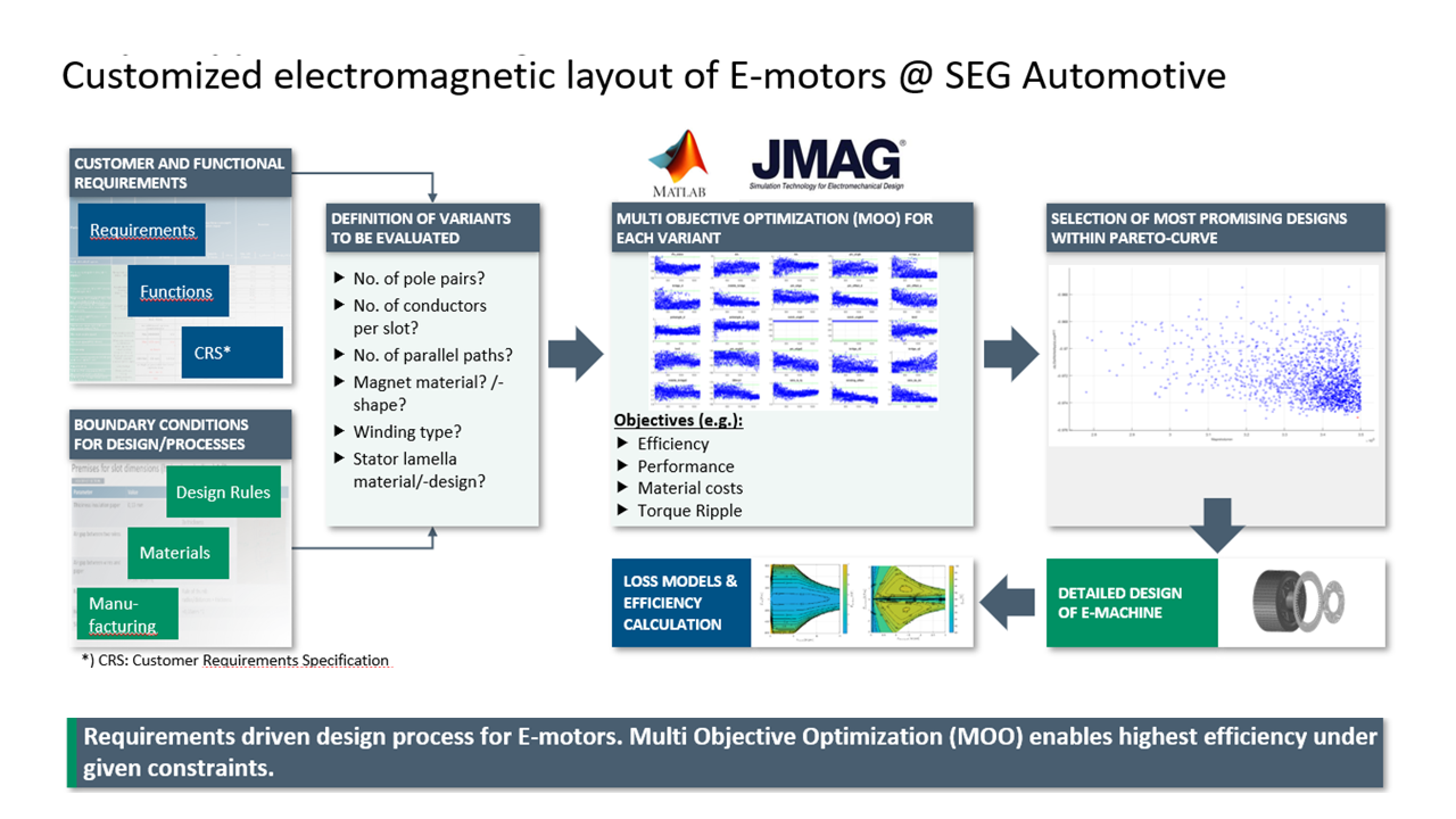
A key differentiator for SEG Automotive is its use of Multi-Objective Optimization (MOO) – a simulation-driven methodology that balances trade-offs like torque, efficiency, thermal limits, and cost. By iteratively adjusting design parameters, the team can fine-tune machines for specific applications, while keeping rare earth content as low as possible.
Additionally, SEG Automotive has developed proprietary models that factor in so-called Pulse Width Modulation (PWM) induced magnet losses – a critical consideration for accurate thermal prediction and magnet selection.
Collaboration for Compact Solutions
Successfully integrating longer, optimized machines into limited installation spaces takes more than technical know-how: “You need tight collaboration between electromagnetic designers, mechanical engineers, as well as experts for system and software. It’s a combined effort across different domains – a challenge we tackle as #OneTeamOneCompany,” Knorr adds.
By combining these strategies, SEG Automotive helps OEMs and Tier-1 suppliers reduce dependency on critical materials – and lives up to its vision of We are the Motor – for the mobility of today and tomorrow.

Press contact
SEG Automotive
Christoph Hoelzl
Press Officer / Pressesprecher
Tel.
[Opens in a new tab]
+49 711 4009 – 8172
[Opens in a new tab]
press@seg-automotive.com